After years of hotel bathrooms asking them to reuse a towel "to save the Earth", a travel writer writing in The Age says a more complicated truth began to surface. Many of the habits that make travelers feel virtuous, including reusable bottles, towel reuse and carbon offsets, have minimal real impact compared with factors that rarely make the checklist: who owns the business you pay, where your food comes from, and how you structure the trip.
This guide takes that argument and turns it into something you can use. By the end, you'll know which questions to ask before you book, and how to redirect your spending toward the people who actually live where you're traveling.
Start with the money, not the toothbrush
The core idea in the piece is that sustainable travel is less about small personal gestures and more about who profits from tourism spending. A bamboo toothbrush may feel good. It doesn't change where your accommodation money ends up.
That doesn't mean you should toss your water bottle. It means those habits shouldn't be where your effort stops. If you only have energy for a few decisions, spend it on the ones that move money.
Understand "leakage"
Tourism researchers use the word leakage for money that you spend in a destination but that doesn't stay there. It flows out to foreign owners, international chains or imported supplies. A hotel can be in a beautiful, struggling place and still send most of its profit elsewhere.
The practical takeaway: your spending location isn't the same as your spending impact. Before you book, ask where the money goes next.
Quick ownership check
You can do this in a few minutes per booking:
- Look at the "About" page. Do you see a local family or named local operators, or a faceless group?
- Search the business name plus "owner". Local press often covers owner-run places.
- Check whether the property is part of an international brand.
- Ask directly by email. A genuinely local business usually enjoys answering.
None of these is foolproof, but together they beat trusting a green logo.
Treat eco-badges with skepticism
The piece flags eco-certifications as potentially misleading, which fits the wider rise in greenwashing across travel. A badge tells you someone, somewhere, awarded or invented a label. It doesn't tell you who benefits.
When you see one, read past it. What specifically is the property doing? Is it vague ("committed to the planet") or concrete ("we buy produce from named farms nearby")? Specifics are a better sign than slogans.
Eat where the food comes from
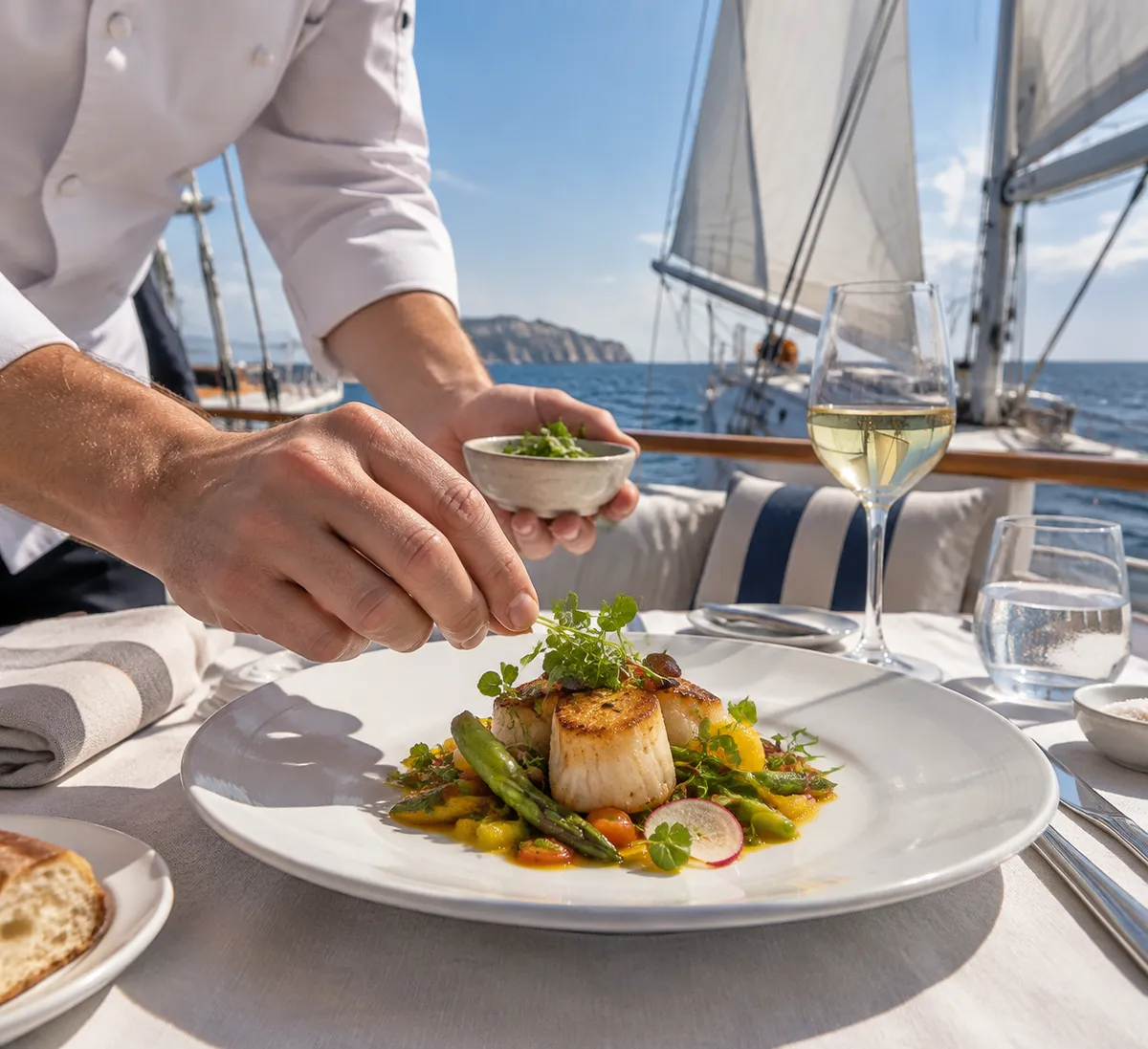
Food sourcing is one of the overlooked levers the author highlights, along with seasonal eating. Your meals are some of the easiest daily spending to redirect.
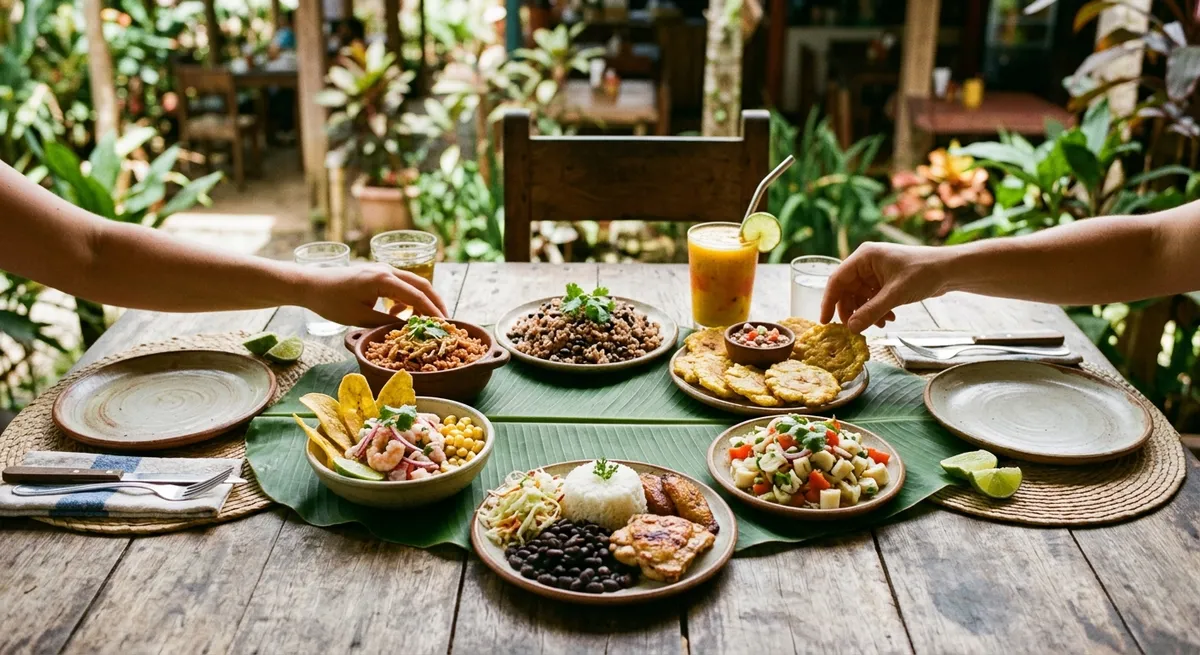
- Eat what's in season. Ask what's good right now rather than ordering what you know from home.
- Choose places that name their suppliers.
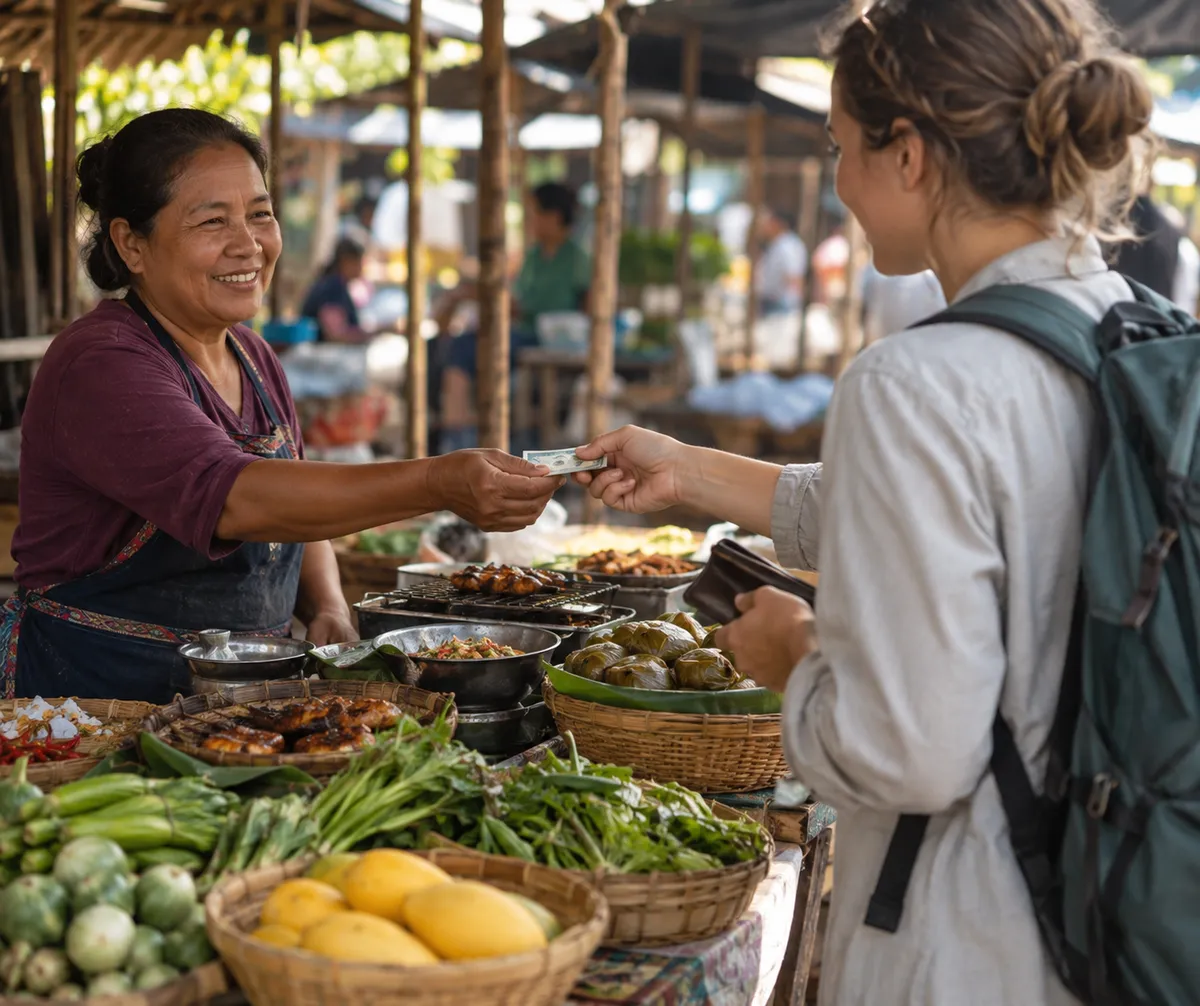
- Shop at local markets and small grocers for picnics and breakfast.
- Pick family-run restaurants over chains that import their menu and their branding.
This is also the most enjoyable form of sustainability. You eat better and learn more about where you are.
Stay longer, in fewer places
Trip structure matters too. The piece argues that staying longer in fewer places reduces both your carbon footprint and economic harm. Fewer flights, trains or transfers means fewer emissions, and fewer rushed, checklist-style stops means less pressure on popular sites.
Try this when planning:
- Count the number of bases in your itinerary.
- Cut one. Give the time to a place you'd otherwise skim.
- Use day trips from a single base instead of repacking every other night.
Longer stays also tend to bring you into contact with neighborhood businesses, which makes the ownership questions above easier to act on.
Keep the small habits, but keep them small
Nothing here says that reusing a towel is wrong. The point is proportion. If a habit costs you nothing, keep it. Just don't let it stand in for the harder questions about who gets paid and how you travel.
The author's broader reflection is that travel can also shift your own values and your assumptions about what "the good life" looks like. That is harder to measure than a carbon figure, but it may be why longer, slower, more local trips feel better as well as doing more good.
Your next booking
Before your next trip, pick one reservation and trace the money: find out who owns it, where its food comes from, and whether you could stay a night or two longer. Make that one change count before you pack the bamboo toothbrush.