If you've ever daydreamed about quitting everything for a long trip, Shimon Zuckerman's story offers a useful reality check. You won't get a full survival manual from it, but you will get a clear sense of where adventure travel tends to go wrong and which habits help you come back in one piece.
Per Ynetnews, the Israeli adventurer left behind a steady job, an apartment and a relationship to travel the world. Along the way, according to the outlet, he survived a sinking boat in the Amazon, swam in a crocodile-filled lake and crossed a Himalayan pass in a blizzard. Ynetnews also reports on an encounter in Thailand with a suspected con artist.
The details of each episode are Ynetnews's to tell. What follows is my take on the themes the profile raises: instinct, caution and resilience, and how you can apply them before you ever board a flight.
Why the pull of extreme travel is real
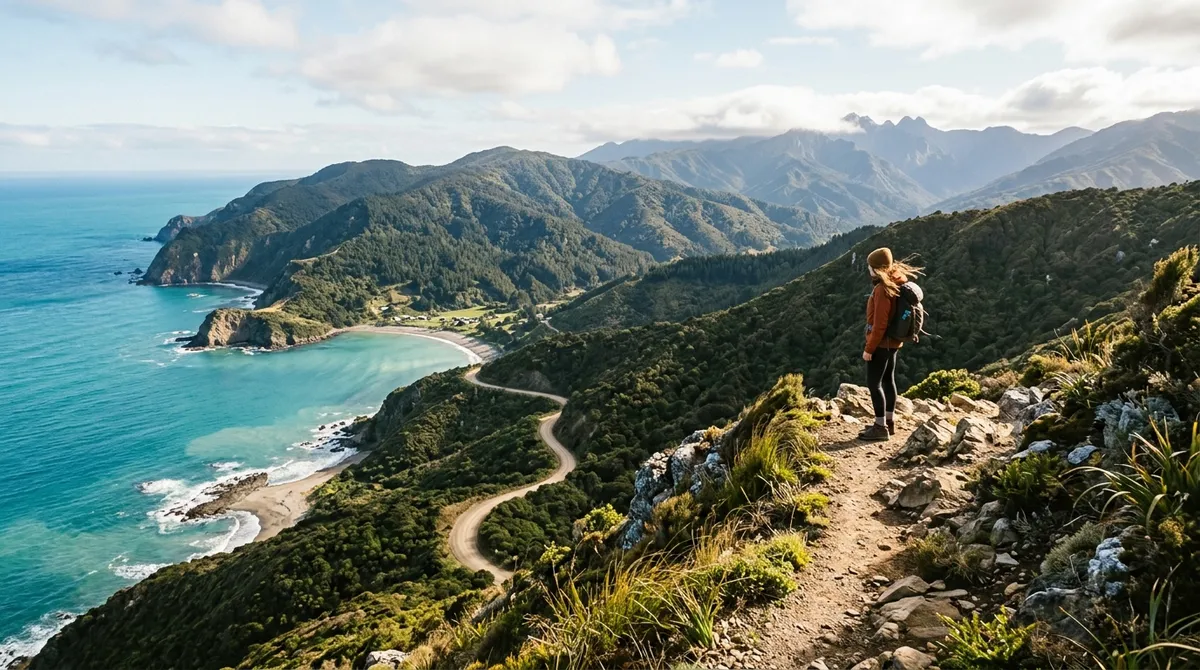
Ynetnews frames the story around the pull of extreme travel. Post-army backpacking is, per the outlet, a major rite of passage for many young Israelis, and the appeal of leaving a settled life for uncertainty is easy to understand. Freedom is the draw.
The lesson here is not to stay home. It's to be honest with yourself about what you're chasing. Wanting open-ended freedom is one thing. Wanting adrenaline for its own sake pushes you toward worse decisions, because every choice starts to feel like a test rather than a plan.
Treat remote terrain as a logistics problem
Three of the situations in the profile involve environments that punish mistakes: a river, a lake with crocodiles and a high mountain pass in a blizzard. These are my suggestions, not claims from the article, but they apply to all three:
- Water travel: Before boarding any boat, look at its condition and ask whether life jackets are on board. If neither answer feels right, wait for another boat.
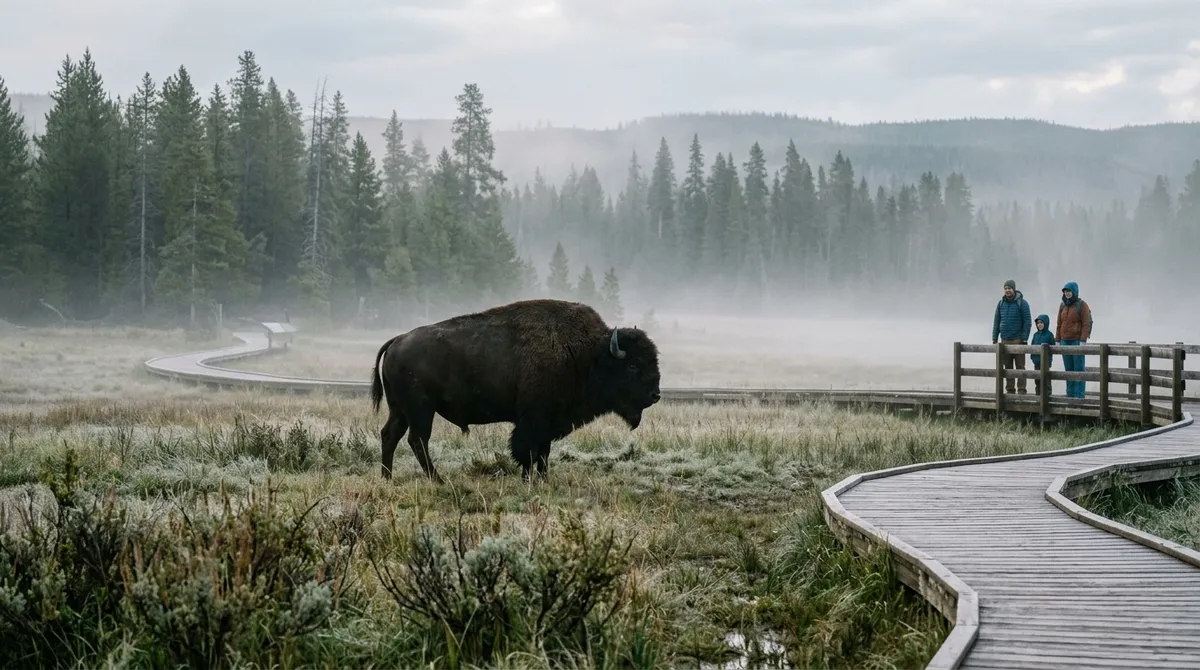
- Wildlife: If locals warn you off a body of water, take that seriously. Ask someone who lives there, not just a fellow traveler.
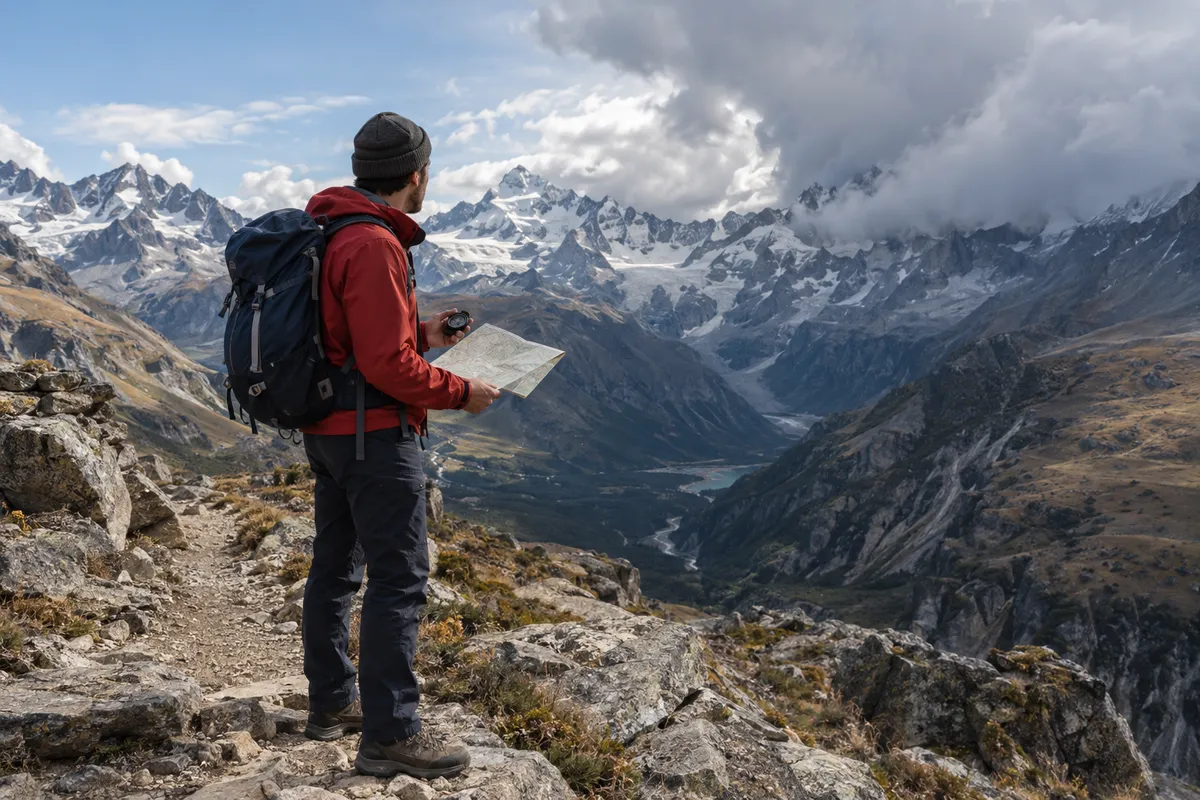
- High passes: Check the forecast the day before and the morning of. Build in spare days so weather never forces you to push on. Carry layers, food and a way to navigate if conditions change.
The common thread is margin. Adventures turn dangerous when there's no slack in your schedule, budget or gear.
Spot the red flags before they cost you
The suspected con artist in Thailand is the one danger here that needs no wilderness skills. Scams tend to share patterns, and these are general travel-safety habits rather than details from the profile:
- Unsolicited friendliness paired with urgency. Someone who needs you to decide now is not working in your interest.
- Offers that arrive without you asking. Free tours, special prices and "closed today" stories deserve a second look.
- Requests to move somewhere private or unfamiliar. Stay in public places until you've verified who you're dealing with.
- Pressure to pay upfront in cash. Pay by traceable methods where you can.
If something feels off, you don't owe anyone an explanation. Walking away politely is a complete response.
Instinct helps, but only when it's informed
Ynetnews presents instinct as a recurring theme. I'd add a caution: gut feeling works best when it's backed by information. A nervous feeling about a boat means more if you know what a seaworthy one looks like. Doubt about a stranger means more if you know common scam patterns.
Build that knowledge before you go. Read recent traveler reports for the region, learn the usual local prices, and ask your accommodation about current conditions. Then trust your discomfort when it shows up.
Know where adventure becomes reckless
The story's drama is part of its appeal, but survival is not a strategy. A useful test is to ask whether you'd still do the thing if nobody would ever hear about it. If the main reward is the story, the risk probably isn't worth it.
A few practical lines to draw:
- Share your itinerary with someone at home and check in on a schedule.
- Carry travel insurance that explicitly covers your activities, including trekking at altitude if that's on your route.
- Decide in advance what conditions make you turn back, and stick to that decision when you're tired and close to the goal.
- Travel with a partner or group on the riskiest legs.
Your next step
Before your next big trip, write down the three riskiest things on your route and one concrete rule for each: a turn-back time, a weather check, a rule for accepting offers from strangers. Zuckerman's story, as Ynetnews tells it, is a reminder that the world rewards the curious. Your job is to make sure you're still around to enjoy it.